-
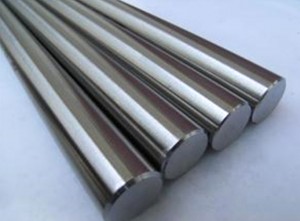
304 0.8mm Embossed Stainless Steel
Specification Grade 301 ,304 ,304L ,316 ,316L ,309 S,310 ,321 Standard ASTM A240, JIS G4304, G4305, GB/T 4237, GB/T 8165, BS 1449, DIN17460, DIN 17441 Diameter As customers requirement Length 1000mm-8000mm or as customers’ request Surface finish NO1,No.4,2B, BA, 6K, 8K, Hair Line with PVC Chemical Composition Grade YS(Mpa) ≥ TS (Mpa) ≥ El (%) ≥ Hardness(HV) ≤ 301 200 520 40 180 304 200 520 50 165-175 304L 175 480 50 180 309S 200 520 40 180 310 200 520 40 180 ... -
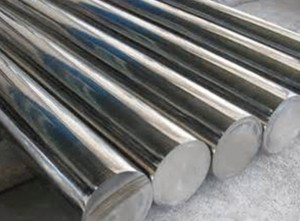
409, 409L, 410,410S,430 stainless steel bar
Specification Grade 409, 409L, 410,410S,430 Standard ASTM240 Diameter As customers requirement Length 1000mm-8000mm or as customers’ request Surface finish NO1,No.4,2B, BA, 6K, 8K, Hair Line with PVC Chemical Composition Grade C Si Mn P≤ S≤ Cr Mo Ni Other 409 ≤0.03 ≤1.00 ≤1.00 0.04 0.03 10.5-11.7 - ≤0.6 Ti=6×C%~0.75 410 ≤0.15 ≤1.00 ≤1.00 0.04 0.03 11.5-13.5 - - - 410S ≤0.08 ≤1.00 ≤1.00 0.04 0.03 11.5-13.5 - - - 420 ≤0.15 ≤1.00 ≤1.00 0.04 0.03 12.0-14.0 - - - ... -
301 ,304 ,304L ,316 ,316L ,309 S,310 ,321 stainless steel bar
Specification Grade 301 ,304 ,304L ,316 ,316L ,309 S,310 ,321 Standard ASTM A240, JIS G4304, G4305, GB/T 4237, GB/T 8165, BS 1449, DIN17460, DIN 17441 Diameter As customers requirement Length 1000mm-8000mm or as customers’ request Surface finish NO1,No.4,2B, BA, 6K, 8K, Hair Line with PVC Chemical Composition Grade C Si Mn P≤ S≤ Cr Mo Ni Other 301 ≤0.15 ≤1.00 ≤2.00 0.045 0.03 16-18 - 6.0 - 304 ≤0.07 ≤1.00 ≤2.00 0.035 0.03 17-19 - 8.0 - 304L ≤0.075 ≤1.00 ≤2... -
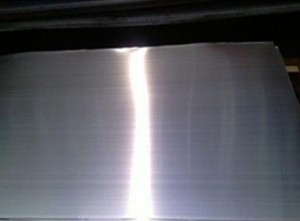
Leading Manufacturer for Medical Capillary Pipes - 301,304,304l,321,316,316l,309s,310 stainless steel – Charming Metal
Common types of 200 series stainless steel sheet Grade Application 301 High strength grade, with resistance to atmosphere corrosion. Its bright, attractive surface make it an excellent choice for decorative structural applications. 304 Used for a wide variety of home and commercial applications. One of the most familiar & frequently used alloys in the stainless steel family. Common applications include Sanitary, Cryogenic, and Pressure-containing applications, Home and commercial ... -
Reliable Supplier 2.5 Inch Steel Pipe - 409, 409L, 410,410S,430 stainless steel bar – Charming Metal
Specification Grade 409, 409L, 410,410S,430 Standard ASTM240 Diameter As customers requirement Length 1000mm-8000mm or as customers’ request Surface finish NO1,No.4,2B, BA, 6K, 8K, Hair Line with PVC Chemical Composition Grade C Si Mn P≤ S≤ Cr Mo Ni Other 409 ≤0.03 ≤1.00 ≤1.00 0.04 0.03 10.5-11.7 - ≤0.6 Ti=6×C%~0.75 410 ≤0.15 ≤1.00 ≤1.00 0.04 0.03 11.5-13.5 - - - 410S ≤0.08 ≤1.00 ≤1.00 0.04 0.03 11.5-13.5 - - - 420 ≤0.15 ≤1.00 ≤1.00 0.04 0.03 12.0-14.0 - - - ... -
Manufactur standard Table Bases For Glass Tables - 301,304,304l,321,316,316l,309s,310 stainless steel – Charming Metal
Common types of 200 series stainless steel sheet Grade Application 301 High strength grade, with resistance to atmosphere corrosion. Its bright, attractive surface make it an excellent choice for decorative structural applications. 304 Used for a wide variety of home and commercial applications. One of the most familiar & frequently used alloys in the stainless steel family. Common applications include Sanitary, Cryogenic, and Pressure-containing applications, Home and commercial ... -
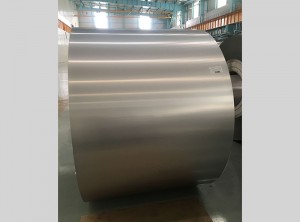
Factory Cheap 409 Stainless Steel Price - Hot sale 316l Seamless Pipe Stainless Steel – Charming Metal
Our primary purpose is to give our shoppers a serious and responsible company relationship, giving personalized attention to all of them for Hot sale 316l Seamless Pipe Stainless Steel, We feel that our warm and professional support will bring you pleasant surprises as perfectly as fortune. Our primary purpose is to give our shoppers a serious and responsible company relationship, giving personalized attention to all of them for 316l Stainless Steel Pipe, Seamless Stainless Steel Pipe, Stainl... -
Factory directly supply Interior Wall Decorative Panel - Factory Directly supply Best Feedback Keg Stainless Steel – Charming Metal
Our company since its inception, always regards product quality as enterprise life, continuously improve production technology, improve product quality and continuously strengthen enterprise total quality management, in strict accordance with the national standard ISO 9001:2000 for Factory Directly supply Best Feedback Keg Stainless Steel, We welcome new and aged buyers from all walks of daily life to get hold of us for upcoming business enterprise interactions and acquiring mutual good resul...